Recent rain welcome on Arkansas farms, but more rain is needed to erase drought
The state still has a long way to go to make up for drought that has dragged on since last summer
Small engine maintenance and repair is a topic many agricultural educators are expected to teach. Yet, it remains one of the least emphasized subjects at the post-secondary level.
Weighed down by low commodity prices, heavy fuel and fertilizer outlays and the costs of war, disease and weather, Arkansas’ net farm income is expected to fall for the fourth straight year, with farmers enduring on government support
Denise Bailey thought she was just signing up for a craft show. Instead, she wound up with a family.
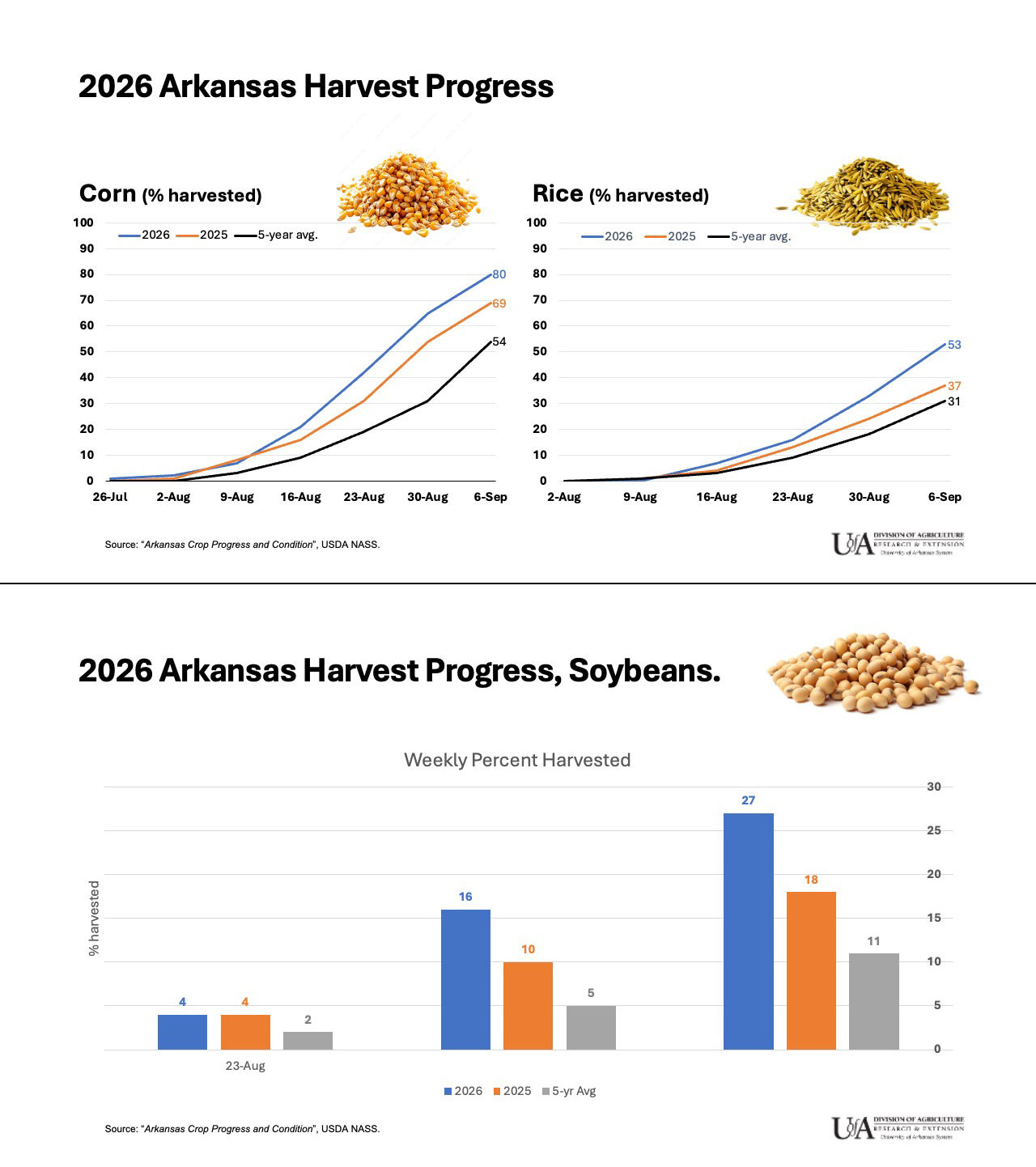
Dry weather at the start of the row crop growing season has sped planting of the state’s five major crops, with soybeans going in the ground at the fastest pace since 1988
Arkansas farmers being squeezed hard by higher fuel and input prices this year could see more than $150 million in total disaster relief with a second round of Supplemental Disaster Relief Program payments from the U.S. Department of Agriculture
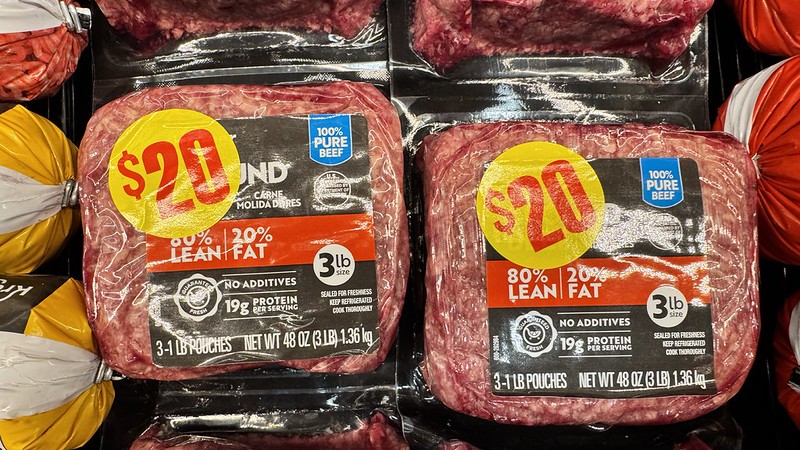
Consumers who see parallels between crude oil and gas prices might expect the same for food, but what seems like a straightforward relationship between prices at the farm and prices at the grocery store is anything but simple