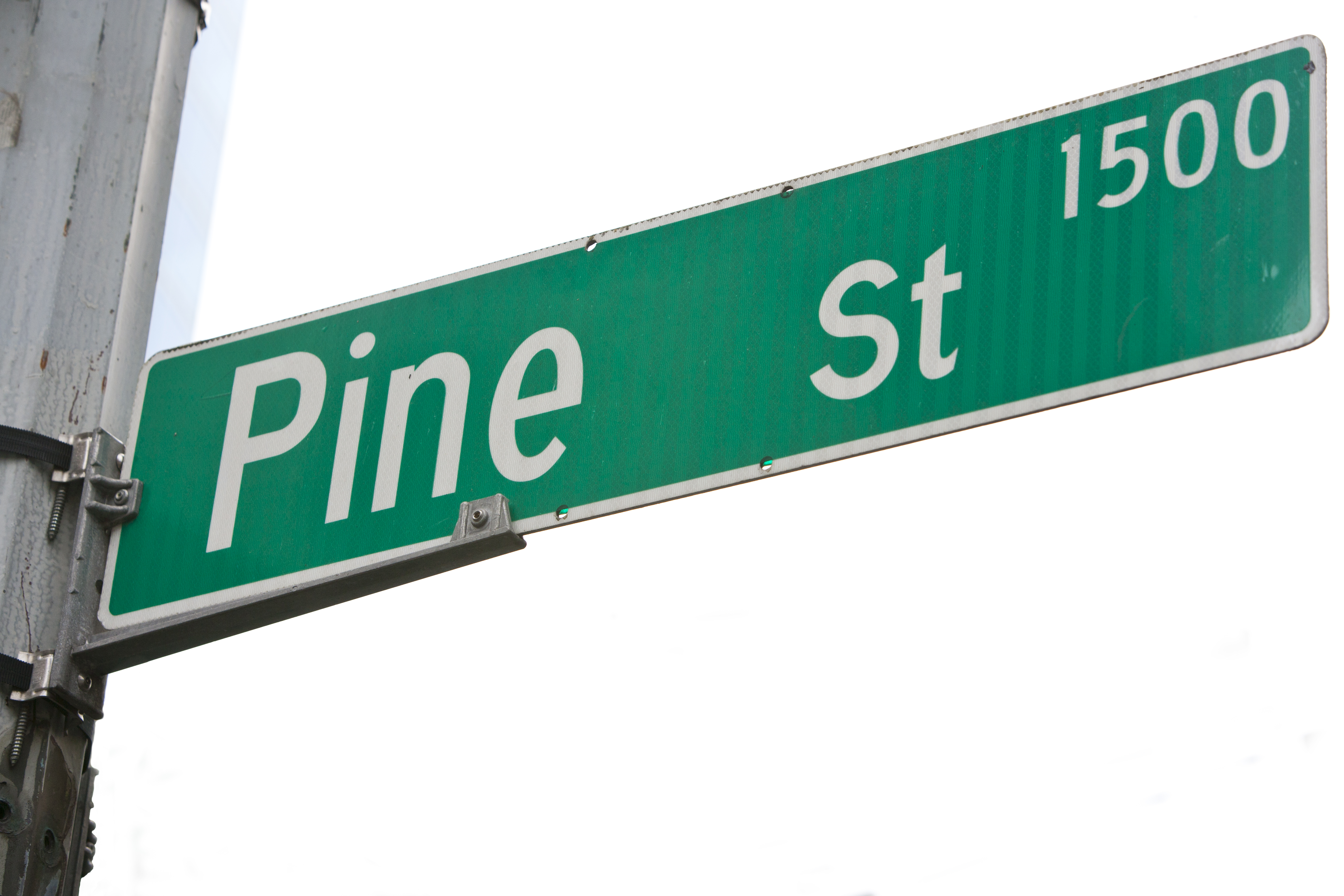
Anyone who’s driven through Arkadelphia in the past year has likely been jarred around like a bull rider out of the gate. With the widening of Pine Street to include a turn lane, the street construction has brought in various crews to relocate underground utilities, and with that comes rather sizable holes in the ground.
Many of those vehicle-sized holes are cut at intersections of secondary streets where they meet Pine. While the holes get filled, or “patched”, the rough spots left in their wake often leave residents wondering if the bumpy intersections will be a permanent fixture once the street work has been done.
Not so, says Arkadelphia City Manager Gary Brinkley.
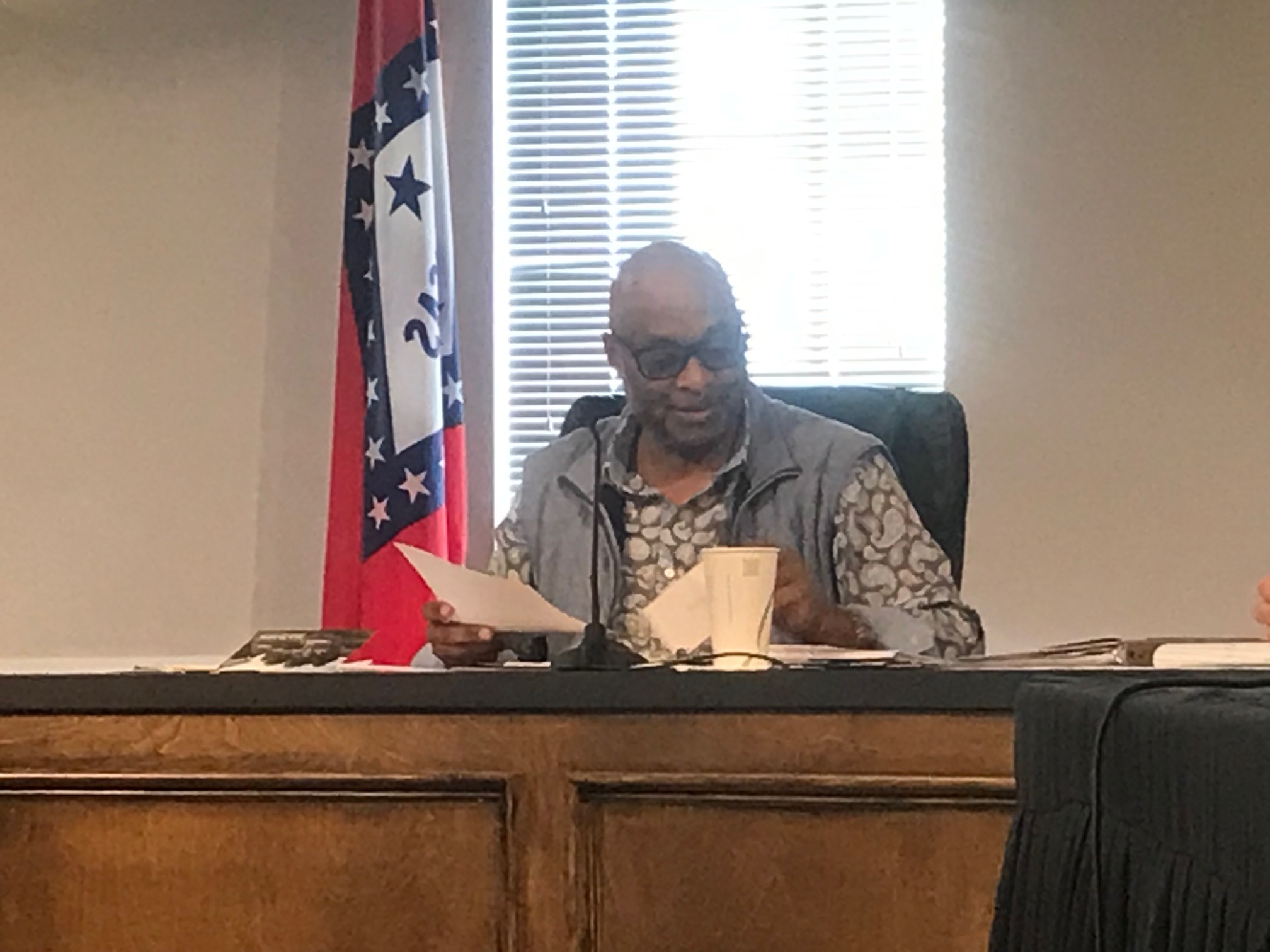
Brinkley, in his routine report during the city board’s Jan. 7 meeting, explained the process of patching streets while the street work is under way.
Brinkley explained the four-step process of cutting into a street to move utilities such as water or sewer lines. Once a trench has been cut into a street, a new line is put down. It then has to be tested and pass inspection before it’s put into service. A permanent road patch is made once the line is officially back in service.
“Some areas may seem like the patches have been there a long time,” Brinkley said. “This has to do with the timing of the work. In some places, for example, where a new line is installed running east and west, there will be a tie-in going north and south, which has delayed the testing and permanent repairs being made.”
One such location is at the east side of the intersection at 10th and Pine streets, which is where the newly widened Pine Street will meet the new Arkadelphia Bypass.
Brinkley added that the 16th Street intersection should re-open by Jan. 20. It was scheduled to open this week but freezing temperatures kept crews from pouring concrete.
Discover more from
Subscribe to get the latest posts sent to your email.