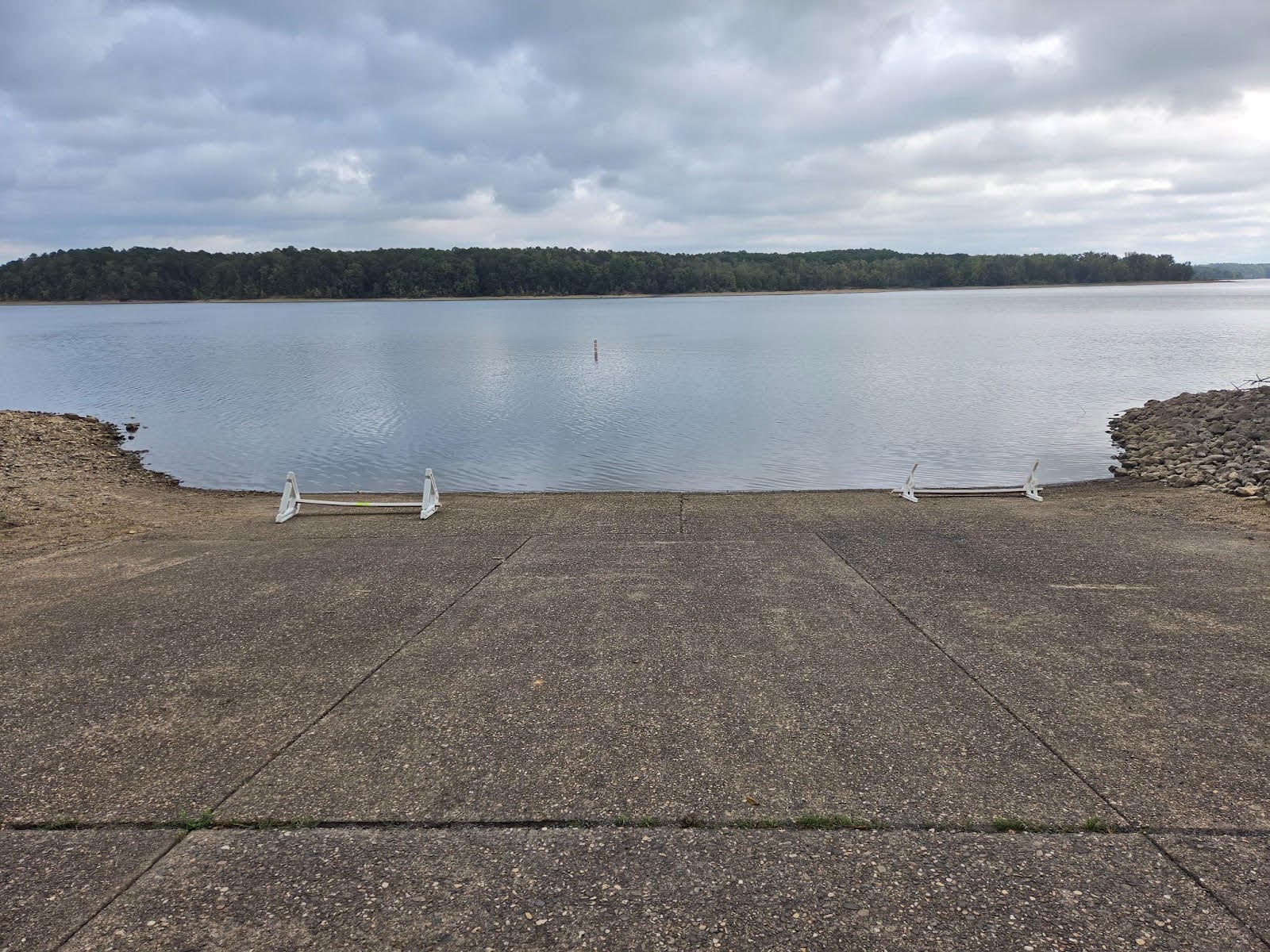
Some ramps may have only a portion of their width usable during extremely low water. | AGFC photo
By GLEN JACKSON | Arkansas Game & Fish Commission
Boaters and anglers across Arkansas are seeing less water than they’re used to with most rivers and reservoirs much lower than usual. Low water can concentrate fish near structure and make for great fall angling, but it also changes the game when it comes to launching the boat and navigating safely.
Here are a few tips to avoid disaster at the ramp and on the water this fall:
Watch for Signs
Many boat ramps are at the edge of their usable length, leaving only a portion of the width usable. Staff from the AGFC as well as the Army Corps of Engineers have posted signs to let boaters know about any dangerous launches. Always check the kiosks and signs around the boat ramp for any notices warning of unseen obstacles and drop offs.
Be Patient and Attentive
Narrow ramps can make for a little longer wait to launch. Be sure to give fellow boaters plenty of space and pay close attention to the path they take and how the ramp behaves.
The ends of some ramps may have a sharp drop off, and dropping a trailer wheel off the end can cause damage to the frame. A quick visual scan of the ramp’s edge before backing in can save you a trip to the shop. Even if you’ve scanned the area or watched another boat safely back in, take it slow. If you feel the tire dropping off the edge, you may be able to save it if you’re keeping the speed at a minimum.
If you see someone else who has dropped off the edge, offer some help if you’re able. We’re all out there to have a good time and boat ramps have far fewer boaters visiting once hunting seasons have begun.
Shifting Hazards Across the Lake
When reservoir levels drop, areas you ran at full throttle all summer can suddenly hide dangerous obstacles. Tree stumps, shallow humps, and rocky points that usually sit safely below the surface may now be exposed or lurking inches under the water. Slow down to give yourself extra reaction time when navigating outside the main river channel.
Lower water also compresses boat traffic into tighter lanes, especially around creek mouths and islands. Keep an eye out for oncoming traffic and mind your wake.
Watch the Depth
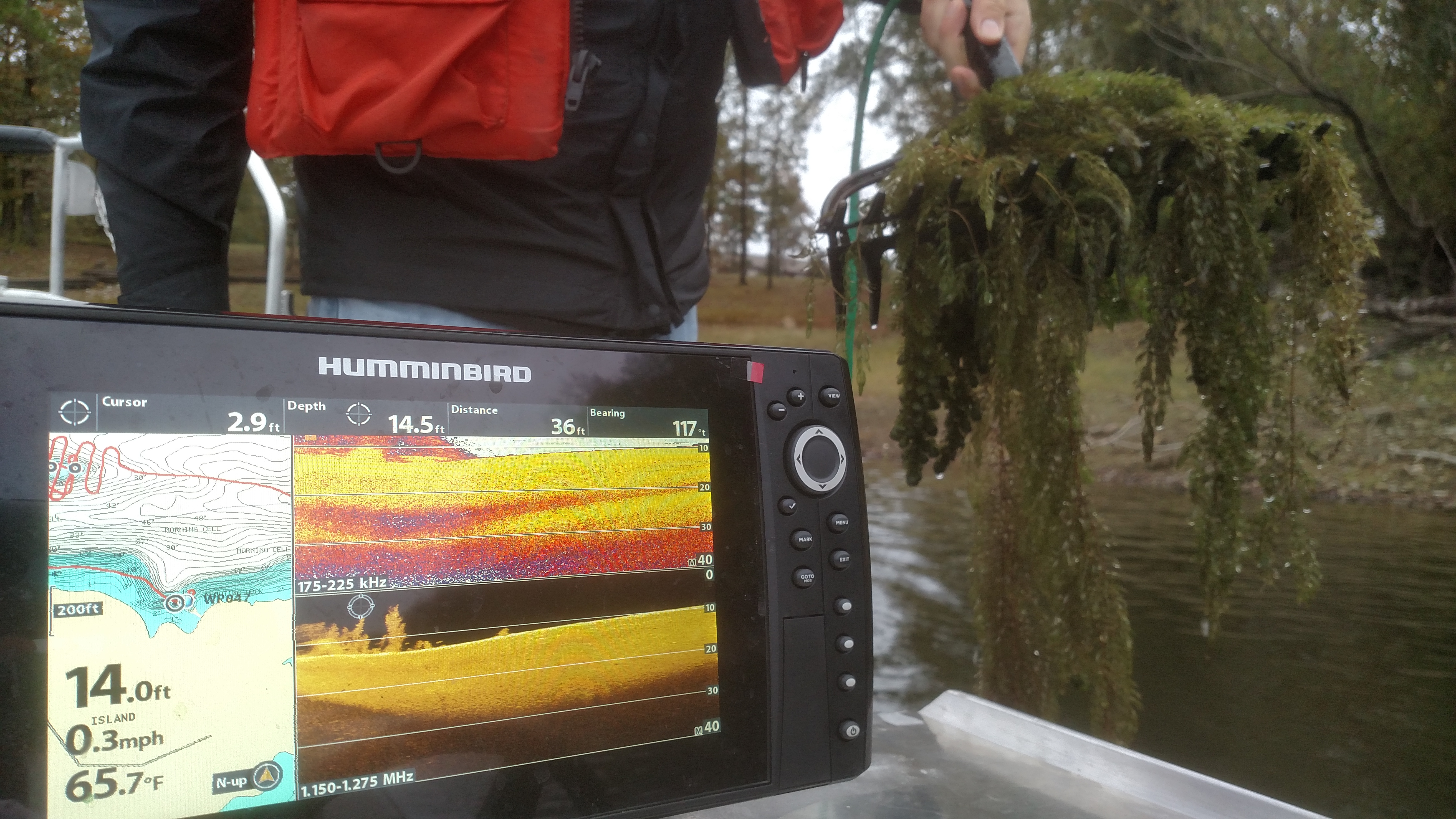
Keep an eye on your depth finder to know exactly how much clearance you have left. Many GPS-enabled depth finders allow you to adjust contour maps to match current lake levels. While adjusting your map offsets is helpful, always rely on your live sonar readings to avoid hitting high spots that might not appear on a digital map.
Trim Up
Keep the motor trimmed up when you’re idling through coves, around secondary points and outside the main channel of rivers. Rocks, stumps and other obstacles can reach out and grab the lower unit of your outboard if it’s tucked underneath the boat instead of at a slight upward angle.
Discover more from
Subscribe to get the latest posts sent to your email.