Shutterstock Images
By MARY HIGHTOWER |University of Arkansas Division of Agriculture
Amid a few rounds of rain, Arkansas corn and rice planting are nearly complete in Arkansas, according to the U.S. Department of Agriculture’s National Agricultural Statistics Service.
“Corn and rice are right at the finish line,” said Scott Stiles, extension program associate for economics. “There will be big push on cotton this week.”
This week’s planting progress update from the National Agricultural Statistics Service shows that:
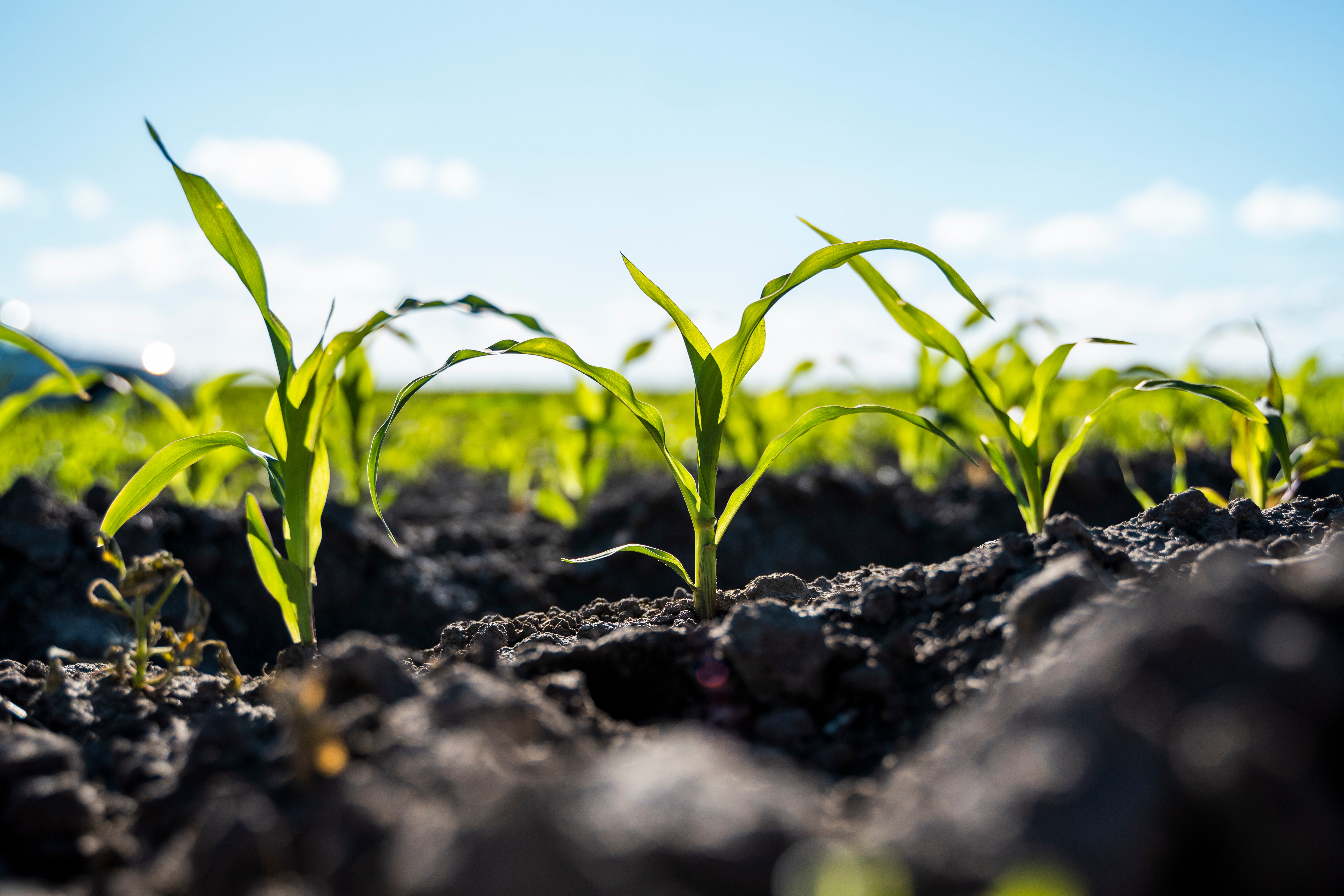
- Corn was 98% planted vs. the 91% five-year average.
- Rice was 93% planted vs. the 80% five-year average.
- Soybeans were 81% planted vs. the 59% five-year average.
- Cotton was 40% planted vs. the 35% five-year average.
- Winter wheat was 92% headed, slightly ahead of the five-year 82% average. Sixty-three percent of the winter wheat crop was in good or excellent condition, NASS said.
According to the NASS report, 37% of Arkansas pastures were in fair condition, with 31% in good condition; 23% were poor or very poor and 9% were excellent.
Much-needed rain
Arkansas needs the rain. The most intense form of drought — exceptional — expanded its hold to 17.54% of Arkansas according to the May 12 map from the U.S. Drought Monitor.
The state still has a long way to go to make up for drought that has dragged on since last summer. According to the National Centers for Environmental Information, northeast Arkansas needs nearly 20 inches of rain to end drought. Northwest Arkansas needs the least rain, about 12 inches, to end its drought.
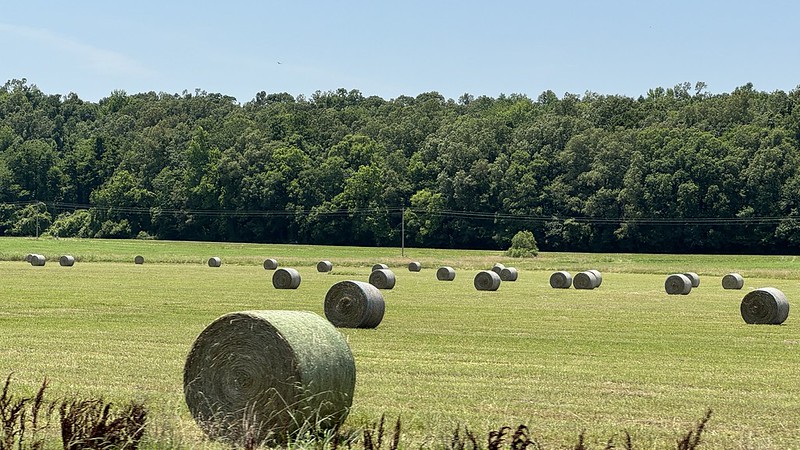
Extension agents said the rounds of precipitation that fell over the last three weeks were generally helpful for row crops but impaired some hay cutting.
Southwest Arkansas
“The rain has been a welcome relief,” said Jerri Dew, extension staff chair in southwest Arkansas’ Lafayette County. However, the rains have also slowed some planting. “We have been trying to get our cotton variety trial in, and we keep having rains come through.
“At least we’ve avoided damaging winds, downbursts and hail,” she said. “Our sweet corn, southern pea and watermelon crops have been at that critical point where any of those could’ve been catastrophic.
“Very few folks here have made their first hay cutting yet,” Dew said. “It’s been difficult finding time in between these rains to get it cut, cured and in the barn.”
Northeast Arkansas
“We averaged around 5-6 inches in Cross County,” said County Extension Staff Chair Jenna Martin. “It was helpful, but it was just a lot at once that we needed stretched out this past winter and into spring.
“We are close to being done, just wrapping up planting soybeans and possibly replanting beans in places where water was standing on the young plants for too long,” she said.
“Several farms were needing herbicides activated and fertilizer incorporated, and many were running out of moisture to plant prior to the rain,” she said.
Central Arkansas
“The rain was perfect timing for producers who fertilized corn and sprayed herbicides on rice,” said Kevin Lawson, Faulkner County extension agent. “It incorporated the fertilizer and activated the herbicide.”
However, “the rain also delayed planting of soybeans, first hay cuttings and ground-applied herbicide applications in early planted soybeans,” he said.
Southeast Arkansas
Arkansas County Extension Staff Chair Grant Beckwith said, “The rains have really helped. We have been able to get herbicides and fertilizer incorporated. It was really good timing on a lot of our soybean ground to help with a good even emergence in them. We had corn being fertilized and the rain was really good timing for that.”
To learn about extension programs in Arkansas, contact your local Cooperative Extension Service agent or visit uaex.uada.edu. Follow us on Facebook and Instagram. To learn more about the Division of Agriculture, visit uada.edu. To learn more about ag and food research in Arkansas, visit the Arkansas Agricultural Experiment Station at aaes.uada.edu.
Discover more from
Subscribe to get the latest posts sent to your email.