By STEVE BRAWNER
Large banks must perform “stress tests” to ensure they would be OK if the economy took a severe downturn. Should Arkansas’ state government do the same?
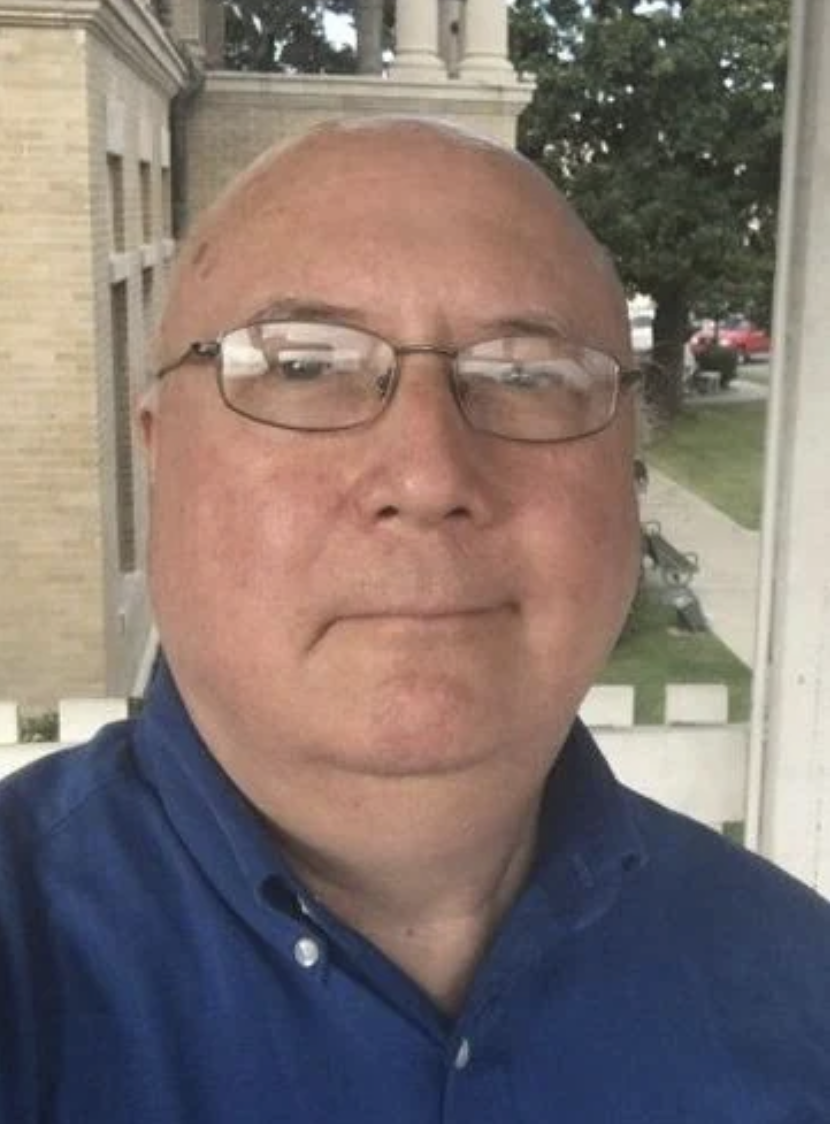
Former state Rep. Joe Jett, who chaired the House Revenue and Taxation Committee for eight years until he left the Legislature in 2022, believes it should. He’s particularly concerned about what would happen if the federal government reduced the billions of dollars it sends Arkansas’ way.
The former lawmaker and farmer from Success, Arkansas, now splits his time between working with the Rose Group Advisors business strategies and lobbying firm, crop dusting, and being a relief aerial firefighter fighting wildfires in the West. He’s also a grandfather to four grandsons ages 6-16. His two sons now run the farm where he and his wife still live.
Jett said state government should perform stress tests like large banks must do under the 2010 Dodd-Frank Act, which was a response to the preceding financial crisis. Some states have already started doing so.
The Department of Finance and Administration’s (DFA) Revenue Forecasting Division tracks the state of the economy and how changes would affect collections.
Jett said a stress test would give policymakers a better idea of what would happen under more hypothetical but possible revenue losses, such as the federal government cutting 10%, 20%, or 30% of the state’s funding.
“By performing stress tests, the state will never be caught reacting in the middle of a crisis, but rather leading and managing through scenarios already anticipated,” he wrote in an email.
Arkansas state lawmakers in their fiscal session last month passed a net general revenue budget of $6.7 billion. That amount was an increase of $211 million from the previous year. DFA at the time projected a $310.2 million budget surplus for fiscal year 2027.
Gov. Sarah Huckabee Sanders then called lawmakers into special session to cut income and corporate taxes. DFA said those cuts would reduce state revenues by $191.8 million. It will release its revised revenue forecast May 20.
There will still definitely be a surplus, but it will be much smaller than it’s been in the recent past. The state ran a $1.628 billion surplus under former Gov. Asa Hutchinson in fiscal year 2022, when it was flush with federal COVID dollars. Sanders and other legislators have said they intend to continue cutting taxes responsibly.
The $6.7 billion net general revenue budget approved by lawmakers last month is only a fraction of state government’s total spending. According to DFA, the total amount in 2025 was $34.4 billion counting programs using federal government dollars, expenditures by constitutionally independent agencies like the Arkansas Department of Transportation, and other spending.
DFA says federal spending in Arkansas in 2025 totaled $11.1 billion, or 32.44% of the state’s overall amount. Arkansas, like most states, is a recipient state that gets more money back from the federal government than it pays in taxes.
The good news is that, thanks to all of these annual surpluses, Arkansas has saved up more than $3.8 billion in reserves.
What Jett is worried about is that the debt-ridden federal government might turn down that $11.1 billion spigot. Such a reduction seems possible given Uncle Sam’s $39 trillion national debt – equal to roughly $114,000 for every American. Forecasters expect the federal government to spend roughly $2 trillion more than it collects this fiscal year alone.
Lawmakers in Washington, D.C., have shown no interest in cutting the federal government’s big spending items. They don’t want to touch Social Security and Medicare, while President Trump wants Congress to increase spending on defense.
At some point, somebody will have to get less money. An obvious “path of least resistance,” Jett said, would be the money the federal government sends to states. After all, why should it add to the national debt by sending money to states that are cutting their own taxes?
Given that possibility, Jett said lawmakers should be running the numbers about various scenarios. He’s not arguing against further tax cuts, but he says lawmakers should have information about what could happen.
It might save the state a lot of stress someday.
Steve Brawner’s column is syndicated to 24 news outlets in Arkansas. Email him at brawnersteve@mac.com.
Discover more from
Subscribe to get the latest posts sent to your email.