By ANDREW DeMILLO | Arkansas Advocate
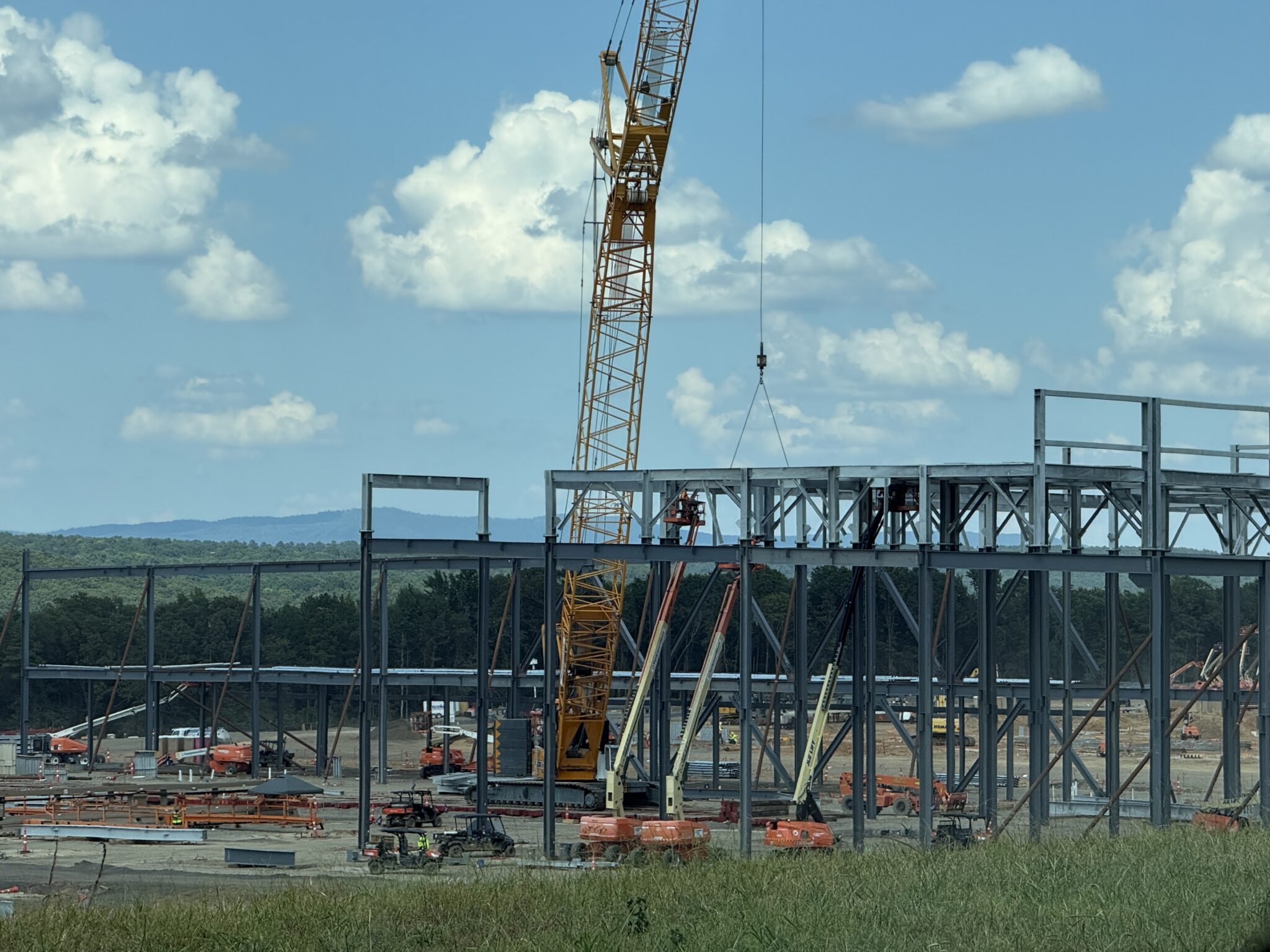
As central Arkansas debated how to handle the influx of data centers needed to power artificial intelligence, another story played out in Fort Smith.
There, local police sent an alert to community members about an AI-generated video that purported to show an injured officer thanking the public for their support. The video falsely stated the officer, who was hospitalized, was back home with his family.
The stories may seem to have little in common, but they’re a sign of how inescapable AI and its consequences are in Arkansas.
It’s hard to escape mounting concerns about AI’s influence on society, with even the pope weighing in and storylines about AI’s influence appearing throughout TV and film.
The backlash in some Arkansas communities about data centers’ drain on their resources like electricity and water reflects just one element of the public’s worries about this technology.
The centers are vaulting to one of the top agenda items for the Legislature next year. But lawmakers face a session that needs to be dominated by wider discussions about AI, and how to contain its harmful effects on Arkansans.
Arkansas has already taken some steps in addressing AI, including enacting a measure last year that required agencies to create policies regarding its authorized use. Another 2025 law expanded the definition of child sexual abuse materials to include images created using AI. And earlier this year, Gov. Sarah Huckabee Sanders received a report about the adoption of AI that included the recommendation to create a chief artificial intelligence officer for the state.
But with a technology that’s advancing at a mind-boggling rate, Arkansas policymakers need to be prepared to do even more on the AI front. That will mean drawing a clear line to ensure that AI is used to help Arkansans, not hurt them.
Arkansas needs a clearer plan on how to prepare for the job losses that are likely to occur because of AI, and the strain those losses could create for the state’s social safety nets.
Those concerns are what prompted California, where thousands of tech workers have lost jobs because of AI, to study ways to mitigate the effects of those layoffs. Some of the ideas, including job subsidies, may not be popular for Arkansas’ conservative legislators but they may need to at least be discussed.
Lawmakers will also need to do more to address the dangers of misinformation and deepfakes created by AI. The fake video of the Fort Smith officer shows how agencies have to be on guard about AI being used to trick the public.
The Legislature will likely need to address whether to restrict or outright ban the use of deepfakes — realistic AI-generated images, videos and sound used to portray someone — in campaign ads, especially after high-profile incidents in other states. At least 30 states already have laws on the books regulating the use of deepfakes in political messaging, according to the National Conference of State Legislatures.
More guardrails for Arkansans are also needed as state agencies farm out more work to AI, including the implementation of new Medicaid work requirements, to ensure that humans are the ones making decisions.
Arkansas’ predominantly Republican Legislature will clearly have to grapple with widespread apprehension about AI, and it’s a concern that crosses party lines. Recent polling has shown Republicans and Democrats share concerns about AI, and the data center debate is just one example of the bipartisan worries associated with the technology.
Tackling the issue next year requires the kind of nuance and calm discussion that can be hard to achieve in an increasingly polarized environment.
Dismissing critics of data centers as mere alarmists or suggesting the criticism is being fueled by China, as a member of Little Rock’s city board did last week, isn’t that.
A serious discussion about AI will be a challenge for lawmakers. But even if the state remains in the same posture, the technology won’t.
Andrew DeMillo is the editor-in-chief of the Arkansas Advocate. He has covered Arkansas government and politics for more than 20 years.
Arkansas Advocate is part of States Newsroom, the nation’s largest state-focused nonprofit news organization.
Discover more from
Subscribe to get the latest posts sent to your email.