By STEVE BRAWNER | Special to arkadelphian.com
The elections will end Nov. 3, and afterwards, state lawmakers’ attention will shift to the 2027 legislative session, which begins in January.
Legislators presumably will gather under Gov. Sarah Huckabee Sanders’ leadership – “presumably” meaning “almost certainly,” since Sanders is the heavy favorite to win re-election.
Likewise, there’s not a lot of drama in the state legislative races. Republicans control about 80% of both the House and Senate, and after Tuesday, the percentages won’t be much different. As reported by Talk Business & Politics, only 37 of the 100 House seats and only five of the 35 Senate seats were even contested in this year’s general election. Most of those races are in safe districts where one party has a clear majority.
Sanders has been in office for four years, which means the absolute peak of her powers inevitably has passed. She still will be the state’s dominant political figure, but governors over time lose some of their luster. Newness wears off, and their human characteristics grow a little more glaring and tiresome to some people over time. They also lose some of the fire in the belly and get distracted thinking about their next thing – which, for Sanders, now age 44, could be a lot of things.
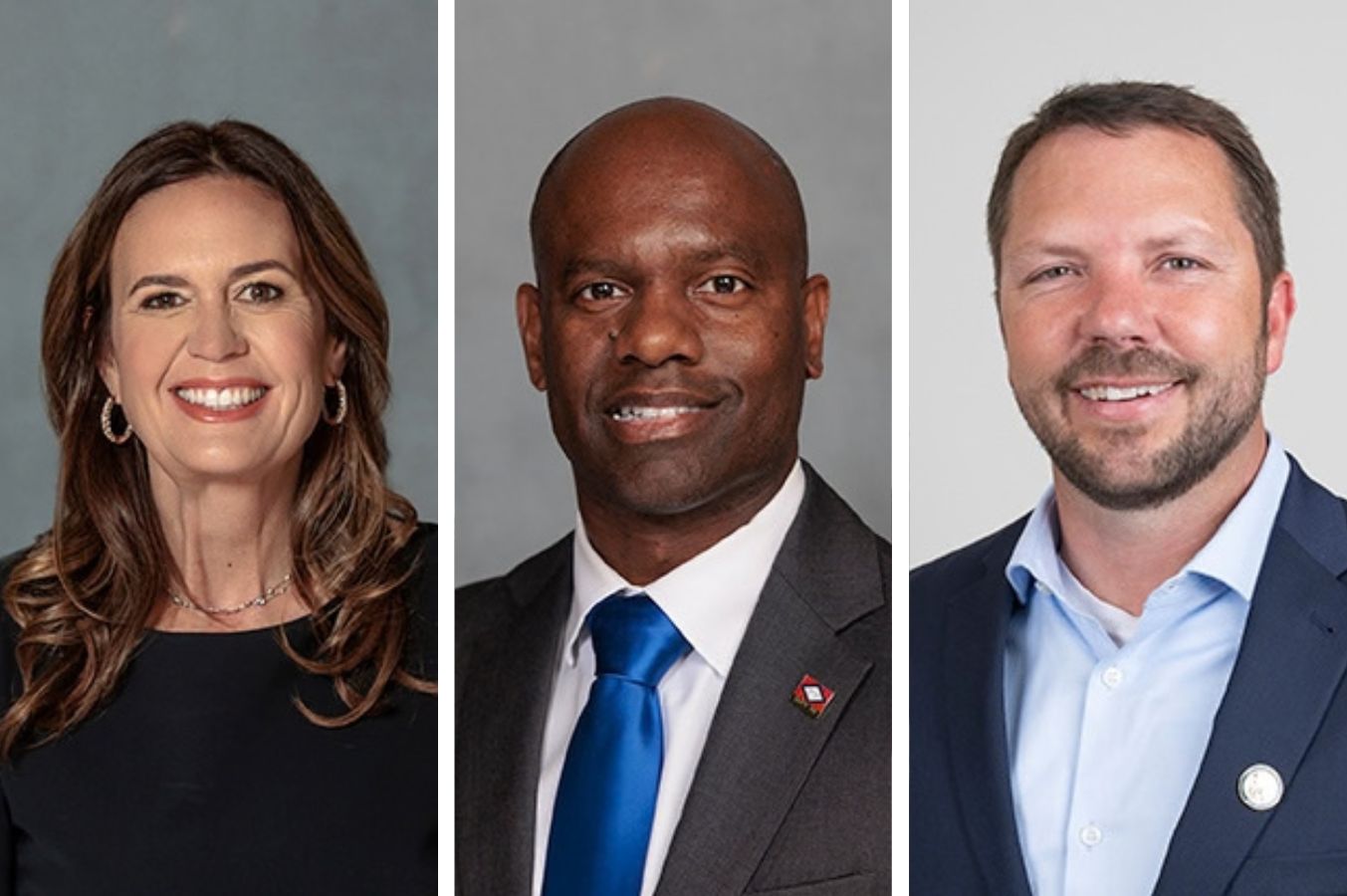
Sanders’ power also will be affected somewhat by how she does Tuesday. A comfortable win over Sen. Fred Love, D-Mabelvale and Libertarian candidate Colt Shelby will help her. On the other hand, Love hasn’t made any mistakes, and Shelby is running the strongest third party candidacy in Arkansas since Ross Perot’s presidential bids in the 1990s. If the two together reach close to 50%, it would mean that half of the voters didn’t choose Sanders. Such a result would embolden Republican legislators who might want to oppose her more often.
She and the legislators starting in January will grapple with some major issues, including Medicaid. The Trump administration is not renewing the state’s waiver allowing it to use Obamacare Medicaid dollars to buy private insurance for lower-income individuals. The once-called private option is an innovative program able to gain support from Republicans in a Republican state. But buying insurance is more expensive than administering regular Medicaid, so the Sanders administration and lawmakers will have to do something else.
Another big issue facing lawmakers is the state’s prison overcrowding problem. This was already an issue before 2023 when Sanders led lawmakers in passing the Protect Arkansas Act, which increased prison sentences. Sanders wanted to build a 3,000-bed prison in Franklin County, but the locals – including Shelby – successfully fought against it.
There will have to be some combination of more beds built somewhere plus fewer prisoners. As reported by the Arkansas Democrat-Gazette, the House and Senate Judiciary Committees were planning to meet Nov. 2 to consider bills that would transfer some older prisoners to home confinement, allow inmates to earn credit toward home detention, and allow individuals on community supervision to move toward an early release. A fourth proposal would create a system for automatically sealing criminal records. Doing so would help individuals who have paid their debts to society move forward with their lives.
The four proposals are all coming from Sen. Clarke Tucker, D-Little Rock. Having a Democratic sponsor in a Republican Legislature in most cases would hurt the bills’ chances. On the other hand, Tucker is an effective legislator who does a good job of navigating his party’s minority status.
Finally, education is state government’s biggest expenditure, so it’s always an important issue. It’s hard to imagine anything as big as Sanders’ system-changing 2023 LEARNS Act or even her follow-up 2025 ACCESS Act. Sanders also led the Legislature in passing the Bell to Bell, No Cell Act that outlawed personal digital devices during the school day.
Lawmakers will take a look at the LEARNS Act’s education freedom accounts, which are providing $7,346 per student in state funds this year to private and homeschooling families. They will cost the state $379 million without nearly as much oversight as public schools receive.
The EFAs are one reason public school enrollment is down, with lower birth rates and fewer immigrant children being the others. The lower enrollments ultimately will lead to a reduction in funding for public schools, which have a lot of fixed costs.
Will lawmakers start to find ways to reduce spending on the EFAs?
That depends in large part on the numbers – the budget numbers, and the poll numbers on Election Day.
Steve Brawner’s column is syndicated to 24 news outlets in Arkansas. Email him at brawnersteve@mac.com.
Discover more from
Subscribe to get the latest posts sent to your email.